Introduction
In a world significantly focused on specialized medical interventions, PEG (Percutaneous Endoscopic Gastrostomy) feeding has actually become an essential technique for providing nourishment directly to individuals who can not eat by mouth. Whether because of neurological conditions, cancers cells, or other clinical conditions, clients usually require enteral nutrition support to maintain their wellness and high quality of life.
This thorough guide will give a detailed introduction of successful PEG feeding methods, consisting of training programs, needed skills for health care experts, and remedies for the difficulties related to enteral feeding. By the end of this short article, you will have a versatile understanding of PEG feeding and exactly how to implement it effectively in clinical settings.

What is PEG Feeding?
PEG feeding is an approach of offering nutritional assistance by means of a tube inserted into the stomach via the abdominal wall. This procedure is essential for individuals unable to eat food by mouth because of different medical conditions. Recognizing the fundamentals of PEG feeding prepares for efficient implementation.
The Value of Enteral Nourishment Support
Nutritional Needs: Enteral nourishment ensures that people get vital nutrients when dental consumption is not possible. Quality of Life: Proper nutrition dramatically affects total wellness and enhances top quality of life. Reduced Difficulties: Effective enteral feeding can reduce issues related to malnutrition.A Step-by-Step Approach to Effective PEG Feeding Practices
Successful PEG feeding involves numerous steps: analysis, prep work, insertion, and continuous administration. Each step has to be meticulously followed to make sure client security and comfort.
Assessment: Determining Prospects for PEG Feeding
Before proceeding with PEG positioning, healthcare specialists have to examine patients extensively.
Evaluating Nutritional Status
- Conduct a thorough dietary assessment. Identify any type of possible shortages or contraindications.
Medical History Review
- Assess previous surgeries or intestinal conditions. Evaluate any kind of drugs that might impact swallowing or digestion.
Preparation: Pre-Insertion Protocols
Once candidates are recognized, the next phase involves prep work for the procedure.
Patient Education
- Discuss what PEG placement entails with patients and their families. Address problems pertaining to discomfort and recovery times.
Preoperative Instructions
- Ensure the patient sticks to dietary restrictions before the procedure. Confirm approval forms are signed.
Understanding PEG Insertion Techniques
The insertion strategy is crucial in guaranteeing optimal outcomes from PEG feeding.
Endoscopic Treatment Overview
The client is sedated and placed appropriately. An endoscope is utilized to picture the stomach via the mouth. A tiny incision is made in the stomach wall surface where the tube will certainly be placed.Post-Insertion Care
After successful insertion, tracking plays an essential function in individual treatment:
Initial Monitoring
- Check important indications regularly. Monitor for any kind of indications of infection or problems at the insertion site.
Patient Convenience Measures
- Administer analgesics as needed. Encourage steady reintroduction of enteral feeds based upon tolerance.
Ongoing Management of PEG Feeding
Managing a PEG tube calls for persistance from doctor and caretakers alike.
Regular Assessment and Maintenance
Establishing a regular checkup schedule is important:
Inspect the insertion site daily for indicators of infection or irritation. Regularly flush the tube with water to stop clogging.
Nutritional Monitoring: Picking Appropriate Formulas
Choosing suitable enteral formulas customized to specific requirements is critical:
Types of Enteral Formulas
- Standard formulas designed for basic use Specialized solutions accommodating specific clinical conditions
Training Programs in PEG Feeding Practices
To ensure health care professionals are furnished with ample understanding and abilities, training programs play an indispensable role.
NDIS PEG Feeding Training: What You Required to Know
The National Impairment Insurance Scheme (NDIS) provides specialized training focused on supporting individuals calling for PEG feeding:
Comprehensive educational program covering all aspects of enteral nutrition. Hands-on experience under specialist supervision.Enteral Feeding Support Course: Trick Components
An efficient enteral feeding support course need to cover:
1. Fundamental Principles of Enteral Nutrition
2. Technical Skills in Tube Placement
3. Recurring Surveillance Techniques
Specialized Training Courses Readily available in Australia
Australia offers various courses targeted at boosting knowledge in PEG feeding practices:
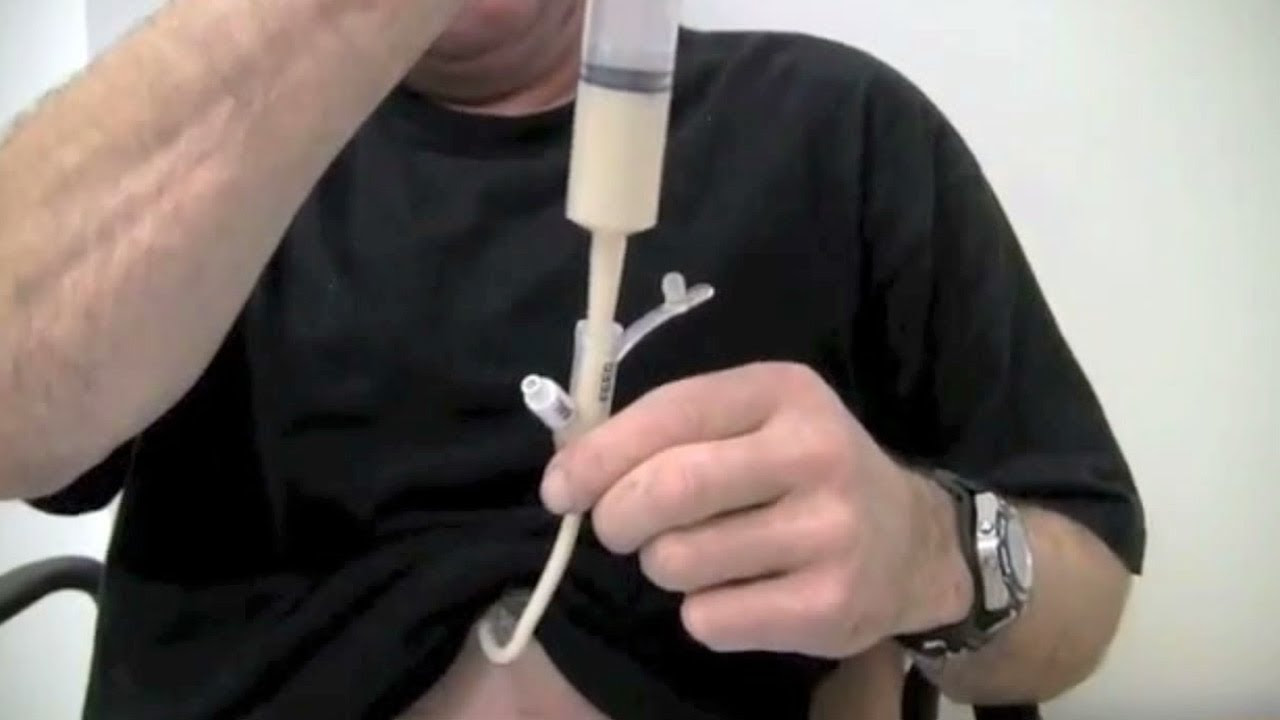

1. PEG Training Courses
These courses focus particularly on strategies related to tube placement and management protocols.
2. PEG Training for Nurses
Tailored programs designed specifically for nursing experts aiming to enhance their proficiency in enteral nourishment support.
FAQs concerning PEG Feeding
1. What is peg feeding?
PEG (Percutaneous Endoscopic Gastrostomy) feeding delivers nutrition straight right into the belly using a tube when oral intake isn't possible due to clinical problems affecting ingesting or digestion.
2. Who can gain from peg feeding?
Patients experiencing neurological disorders, certain cancers, or other conditions that harm swallowing can profit considerably from enteral nutrition support via peg tubes.
3. For how long does secure tube positioning take?
The actual procedure normally lasts half an hour however might vary depending upon individual conditions and intricacies included throughout insertion.
4. Can someone execute peg feedings at home?
Yes! With ideal training such as enteral feeding training, caregivers can manage home fix feedings successfully after receiving correct education and learning and guidelines from healthcare providers.
5. Exactly how usually need to I purge a secure tube?
It's advised to purge your secure tube with water prior to and after each feed along with every couple of hours if no feed is being carried out-- normally around every four hours-- to avoid clogs.
6. What need to I do if my secure tube gets clogged?
If you presume your peg tube is obstructed, attempt flushing it gently with warm water utilizing a proper syringe; if not successful get in touch with your healthcare provider quickly for additional assistance!
Conclusion
A complete understanding of successful A Step-by-Step Method to Successful PEG Feeding Practices gears up health care specialists with vital devices essential for giving excellent client treatment in enteral nutrition support situations. From first evaluations through recurring administration techniques coupled with targeted training programs such as those used by NDIS-- these sources encourage caretakers while guaranteeing secure methods throughout every stage!
By sticking closely to these guidelines described right here within this article-- people obtaining management of enteral feeding nutritional aid through peg feeds can delight in improved health and wellness end results together with improved quality-of-life indicators which eventually leads them towards brighter futures ahead!